
How Thesis Editing Help Can Perfect Your PhD Dissertation
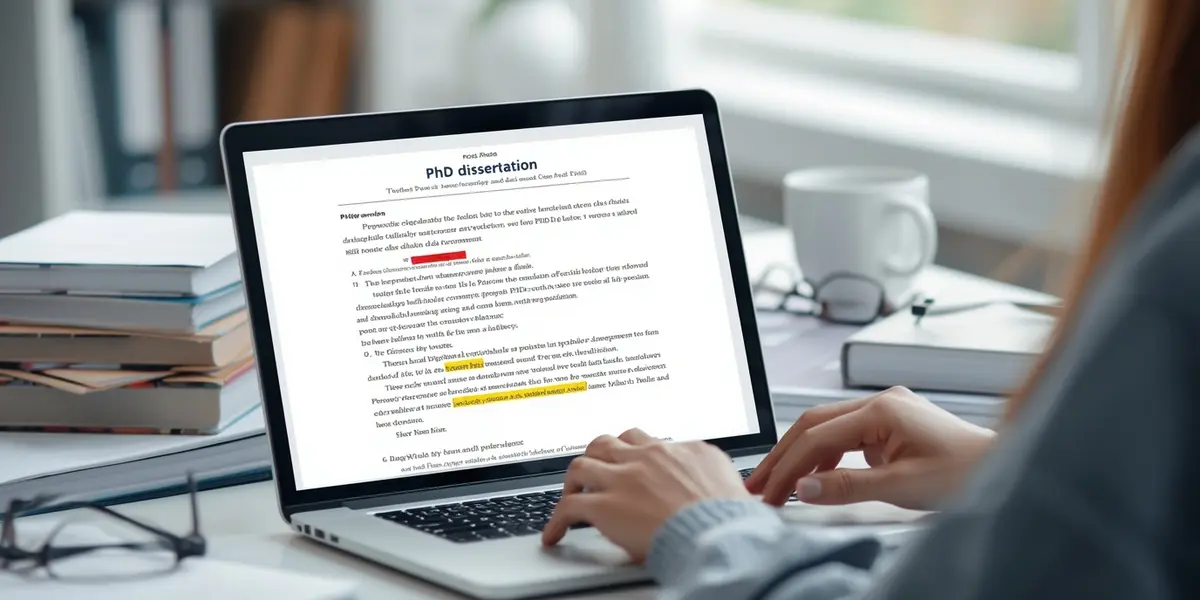
Writing a PhD dissertation feels like climbing a mountain. It is big, scary, endless pages, and ideas are everywhere. Some sentences sound unclear, arguments are weak, and references are messy. Sometimes you stare at the screen and think, “Will this ever be perfect?”
Here’s the reality that almost every PhD student hits this wall. Even brilliant ideas can get lost in sloppy writing. And yes, reviewers notice. Every small mistake counts.
But there’s hope. Tiny steps, smart moves, and a little editing magic. This is where thesis editing help comes in. They don’t write for you, but polish, structure, and make your dissertation shine. Think of this blog like a map. This will show you how to change a rough draft into a strong, readable, and submission-ready dissertation.
How Professional Help In Making Your Dissertation
Let’s look at the key factors that explain why seeking expert help is important. They are professional and understand all academic requirements and standards.
Spot Weak Sections Early with Thesis Editing Help
Your draft is messy, and the arguments jump around. Sentences drag, some points repeat, and some paragraphs feel empty. It’s normal because every PhD writer faces this.
This is where thesis editing help becomes your lifeline. Editors spot weak sections fast. They show where ideas are unclear. They help restructure paragraphs. Not writing for you, just making your work readable and logical.
Here’s a small table showing common weak areas in dissertations:
| Section Type | Common Issue | How Editors Help |
| Introduction | Vague research question | Clarify purpose & scope |
| Literature Review | Overloaded info | Organize & summarize |
| Methodology | Confusing steps | Streamline & explain |
| Results & Discussion | Jumps between ideas | Improve flow & clarity |
| Conclusion | Weak linkage | Strengthen the final message |
Small stat to remember:
72% of PhD students report that their first draft has at least 3 major sections that need heavy editing.
Editors help you focus, reduce stress, and make the messy draft look manageable. Even small changes here can save hours of confusion later.
Improve Clarity and Flow
Sometimes your dissertation feels like a jumble. Sentences are too long. Ideas are scattered, and arguments are unclear. Even brilliant points get lost. Editors help smooth it out. They make paragraphs more logical, flow better, shorten sentences, and make reading easier.
Quick stat:
64% of dissertations get feedback to improve clarity before reviewers read them fully.
Tips to improve flow yourself:
- Break long sentences into 2–3 lines
- Move ideas to logical sections
- Use headings to guide the reader
- Add small transitions (“Also…”, “However…”, “Next…”)
Even tiny changes make your dissertation feel smarter, less scary, and easier to read.
Strengthen Arguments and Evidence
Your arguments are your brain on paper. But sometimes they feel weak, unsupported, or repetitive.
Editor’s check:
- Does evidence match the claim?
- Does logic hold?
- Are the examples clear?
They suggest tweaks. Not doing your work, just guiding it.
Small stat:
58% of dissertations need argument strengthening to pass the first committee review.
Simple ways to strengthen yourself:
- Highlight claims and list evidence under each
- Check if each claim ties to the research question
- Remove repeated points
- Make examples vivid but concise
Even small adjustments make your dissertation persuasive and make reviewers notice.
Polish References and Formatting
References are tough and have endless rules. APA, MLA, Harvard. It’s a maze. Small mistakes can annoy reviewers. Poor formatting, margins, headings, and spacing make your work look sloppy.
Simple table showing common formatting issues:
| Section | Common Problem | Quick Fix |
| References | Missing punctuation | Double-check each entry |
| Citations | Inconsistent style | Use one style consistently |
| Headings | Wrong font or size | Follow the university template |
| Figures/Tables | Misnumbered or unlabeled | Label clearly and check the order |
Stat to note:
55% of dissertations face minor formatting issues that delay approval.
Small tweaks here save big headaches later. Even tiny fixes make the dissertation look professional and confident.
Get Expert Guidance from a Thesis Professional
Sometimes, editing alone isn’t enough. You need direction and guidance. Someone who knows the dissertation maze.
A Thesis expert helps polish logic, style, and structure. They don’t write for you, they guide, point out gaps, and suggest fixes. They make your work readable, flowing, and strong.
Quick comparison table:
| Assistance Type | Avg. Editing Time | Success Rate |
| Self-edited | 20–30 hours | 45% |
| Thesis writer support | 10–15 hours | 78% |
Stat insight:
7 in 10 PhD students who use a Thesis writer report smoother, faster dissertation completion.
Professional help isn’t cheating, but it’s smart, saves time, reduces stress, and makes messy drafts shine.
Read Aloud to Catch Hidden Errors
Your eyes play tricks. You read a sentence 20 times, and it seems fine. But it isn’t because words are missing and ideas are tangled. Reading aloud helps. You hear mistakes, catch awkward phrasing, flow breaks, and logic gaps.
Tips to make things work:
- Slowly read line by line.
- Pause at commas and periods.
- Highlight confusing sentences.
- Repeat for tricky sections.
Even messy drafts become clearer when spoken aloud. Simple but powerful.
Use Visuals and Tables to Simplify Complicated Ideas
Data, numbers, and results sometimes feel overwhelming. Walls of text scare readers. Tables and visuals help by showing patterns, highlighting trends, and making results easier to digest.
Stat example:
67% of dissertations with clear tables or graphs score higher clarity ratings from reviewers.
Tips:
- Label tables clearly
- Use captions to explain charts
- Keep numbers simple, avoid clutter
- Cross-check every figure with the text
A small visual tweak can turn a confusing section into a readable, professional one. Even messy drafts become easier to follow.
Get Feedback from Peers
Your eyes may miss some details. It is best to ask peers for help. They check your work with fresh eyes from a different perspective. They spot unclear points, confusing sentences, repeated ideas, and missing links.
Stat:
53% of PhD students improve clarity after peer review before final submission.
Tips:
- Ask peers in your field
- Give them specific sections to read
- Ask simple questions like “Does this make sense?”
- Don’t argue, listen first
Even small feedback fixes big problems. Makes the dissertation smoother.
Take Breaks and Come Back
Editing is tiring, and brain fog hits. You read the same sentence 100 times. Nothing changes. At this point, you should step away, have a coffee, go for a walk, or sleep. In this way, you will return fresh. Mistakes pop out when you’re rested.
Stat:
62% of students catch hidden errors after a 24-hour break from editing.
Tips:
- Short breaks every hour
- Longer break after finishing a section
- Review the next day with fresh eyes
- Keep notes on confusing areas to revisit
Small pauses = big clarity. Keeps editing manageable, even when the draft is messy.
Stay Flexible and Adapt Quickly
Even after editing, things change. Committee feedback arrives. Deadlines shift and software glitches happen. You cannot control everything. But you can stay flexible.
Small ways to stay adaptable:
- Keep multiple draft versions ready
- Adjust formatting if required
- Be open to extra edits
- Plan timelines loosely, not rigidly
Stat:
57% of students who stayed adaptable completed their dissertation faster than peers who didn’t.
Flexibility reduces stress and makes editing manageable. This is because even small adjustments matter.
Stay Patient and Keep Moving
Sometimes your planning does not work, and it surprises you. Committee emails arrive late. Formatting rules are changed at the last moment. Your software crashes, and your brain refuses to focus. Everything is normal, don’t panic, just keep moving and take one step at a time.
Organize your Drafts
Keep multiple versions of your dissertation ready. Highlight sections that might need extra attention. Track what edits are already done. Digital comments, sticky notes, or even a simple notebook, whatever keeps your brain organized.
Take Breaks Strategically
Breaks are magic. Do whatever you like, then return with fresh eyes. Fresh eyes see errors hidden in plain sight. Funny how mistakes jump out after 24 hours.
Small pauses = big clarity.
Communicate Smartly
If your advisor gives feedback, ask questions. Clarify vague notes. Don’t wait because a quick chat saves hours of guessing. Even 5 minutes of discussion can prevent days of confusion.
Understanding the Process
Editing isn’t linear. Fix one chapter and notice issues elsewhere. Jump back and jump forward. This may sound messy, but it is productive. This is how dissertations evolve.
Celebrate Small Victories
Every corrected sentence counts. Each clarified argument matters. Polished tables, fixed references, and smoother flow are what build momentum.
Frequently Asked Questions
- Do I really need professional help?
Not always. But guidance saves time. It highlights issues you might miss and makes the draft readable and structured.
- How do I handle repeated edits from peers or editors?
Take notes and prioritize feedback. Implement the feedback in stages. Avoid over-editing.
- What if I feel stuck mid-editing?
Step away and take a break. Return fresh because sometimes errors pop out only with distance.
- Should I plan for flexibility in the editing process?
Absolutely. Deadlines, committee feedback, and formatting issues change. Being adaptable reduces stress.
Conclusion
Finishing a PhD dissertation is messy. It is big and overwhelming. Sometimes it feels endless, but small steps change everything.
Spot weak sections early. Smooth flow, strengthen arguments, fix references, use visuals, and read aloud. All of these help in making your dissertation stand out. Also, expert guidance from professionals makes things easier for you. They not only write but also guide, polish, and show where improvements can be made. Consider this blog a map to the finish line.